Most guys skip recovery. The guys who don't have fewer injuries, train more consistently, and feel less like garbage the day after a hard leg session. Foam rolling isn't magic — it doesn't "break up fascia" or "flush lactic acid" the way old-school fitness writing claimed — but it does meaningfully reduce next-day stiffness and improve short-term range of motion. Ten minutes after a session is a habit that pays consistent dividends.
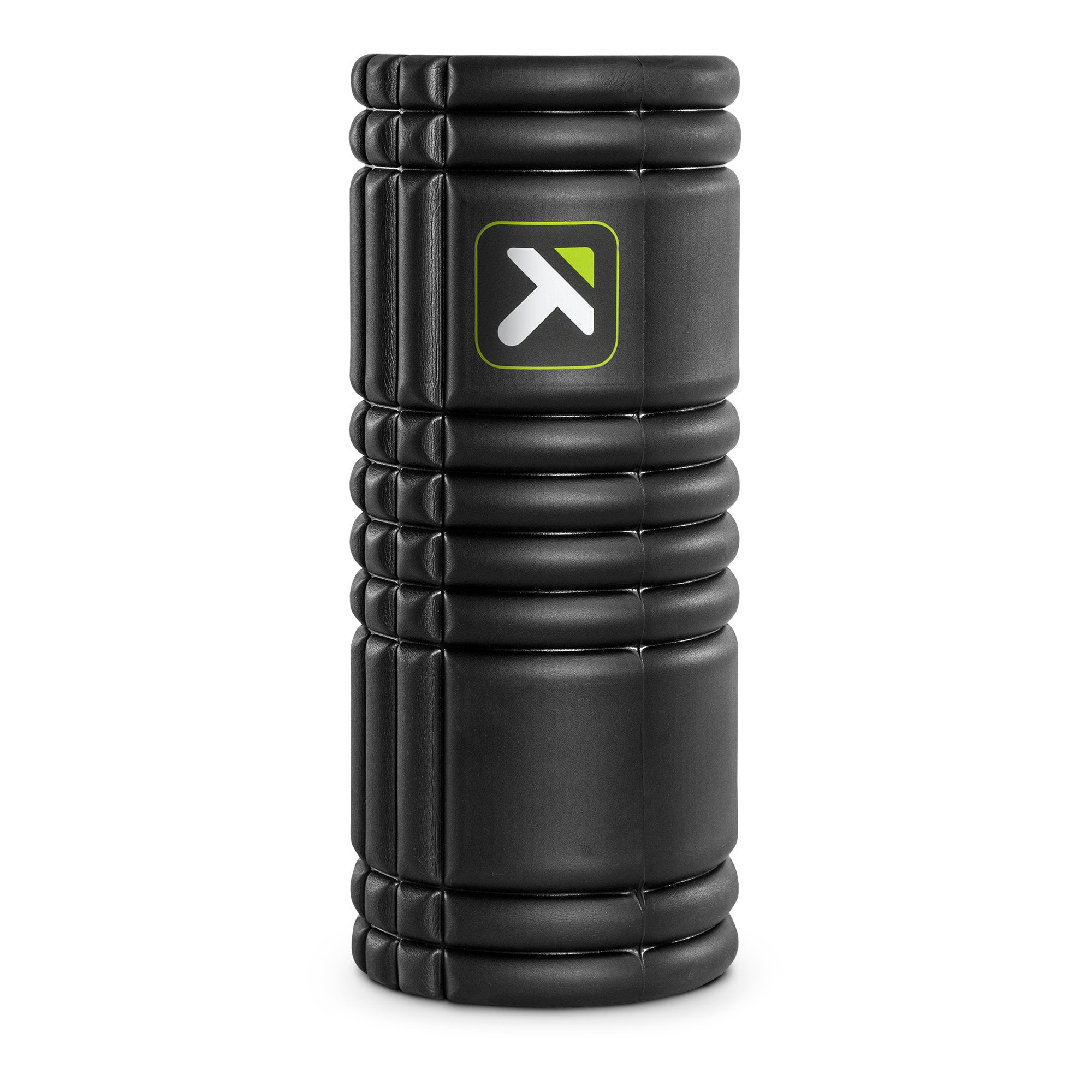
The GRID is better than the cheap foam cylinders in two ways: it's firmer (so it doesn't go soft in six months and stop doing anything) and it has a multi-density surface pattern that allows different levels of pressure in a single pass. The hollow core means it maintains its shape under 500 lbs of load for years. This is why it's the default equipment in professional training rooms and physical therapy clinics.
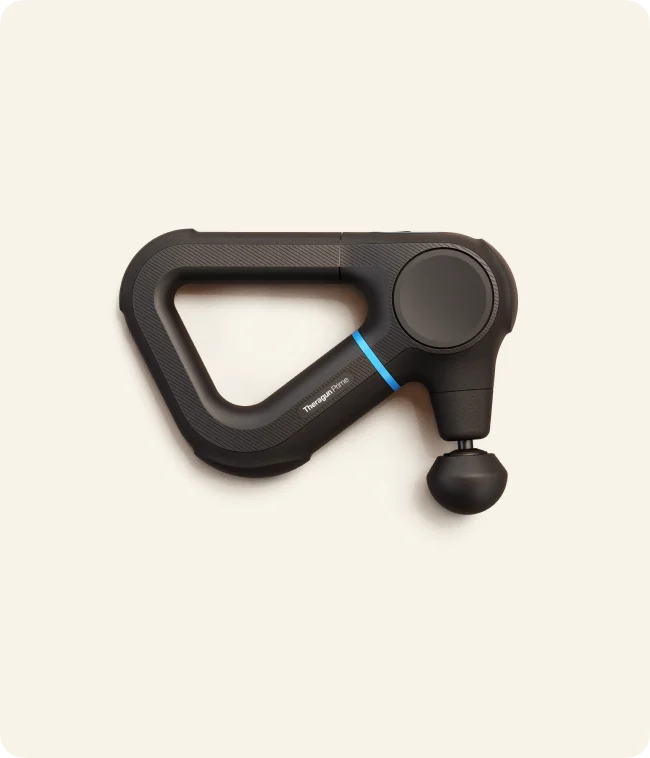
There are more expensive massage tools — the Theragun, the Hypervolt — and they're worth buying once you've earned the soreness to need them. The foam roller is the prerequisite. Own this first.
TriggerPoint was founded in 2002 in Austin, Texas by a personal trainer and massage therapist who were frustrated that the foam rollers available to consumers didn't match the quality of tools used by professionals. The GRID pattern was their solution: a proprietary surface that mimics the feeling of a therapist's hands at varying pressures.
The brand was acquired by Implus Corporation in 2014 and is now distributed through major sporting goods retailers and physical therapy supply companies. They remain the default foam roller recommendation from most certified strength coaches and physical therapists.
Roll slowly — 1 inch per second — over the muscle belly. When you hit a tender spot, stop and hold for 20–30 seconds while breathing into it. Don't roll directly on joints or the IT band (too painful and counterproductive — roll the quads and hamstrings on either side instead).
Priority order: quads and hamstrings, calves, upper back (thoracic spine), glutes. Skip the lower back — that's for lumbar mobility work, not rolling. 30–60 seconds per area is enough. Do it after training, not before — pre-workout, dynamic movement wins over static foam rolling.