The brand-perception secret nobody tells you: a well-maintained Lexus LS reads as old money in a way that a brand-new Mercedes E-Class never will. The Lexus says "I've been this comfortable for fifteen years and I'm not paying $900 a month to prove it to you." The Mercedes says "I need you to see this." These are very different messages.
The LS has been the reliability benchmark in the luxury sedan segment since 1989. Consumer Reports puts Lexus at or near the top of their reliability rankings year after year. The alternative — the German three (Mercedes, BMW, Audi) — are measurably less reliable post-warranty and significantly more expensive to maintain when they fail. The difference in total cost of ownership over five years is real money.
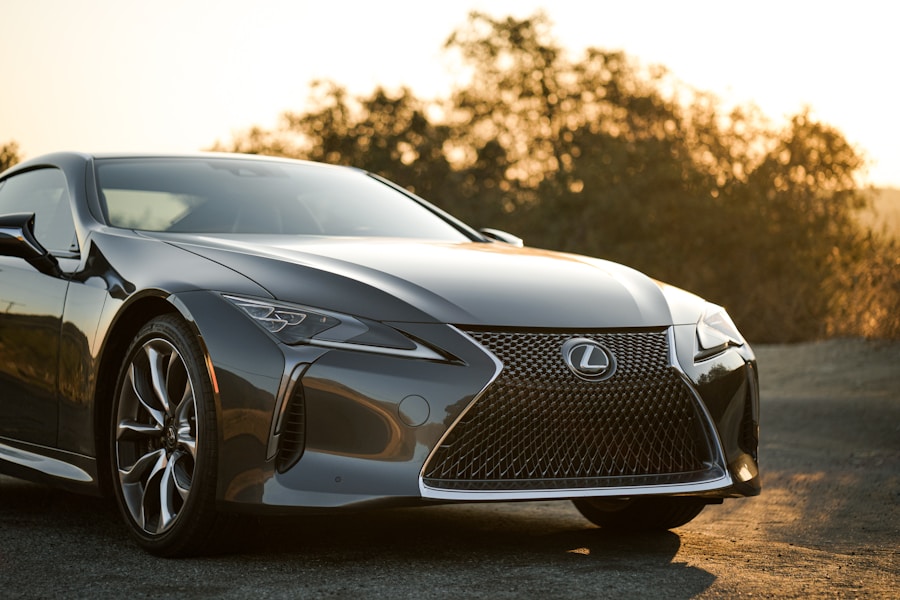
The LC coupe is the wilder argument. It's one of the most beautiful cars made by any brand in the last decade — a genuine statement piece that costs less than comparable Germans and wins on style by any objective reading. The enthusiast community that actually knows design work loves it. If you want the prestige brand that earns respect from people whose taste you'd respect, Lexus is quietly that brand.
Lexus launched in 1989 as Toyota's luxury division, debuting with the LS 400 — a car that immediately benchmarked above the Mercedes S-Class in quality and significantly below it in price. Car and Driver called it one of the ten best cars in the world that year. The formula hasn't changed: exceptional build quality, outstanding reliability, and a pricing strategy that makes the badge feel underpriced rather than overpriced.
The brand has grown to include the LC sports coupe, the RX and GX SUVs, and the F Sport performance variants. Through all of it, the reliability reputation has held. Lexus owners keep their cars longer than owners of any other luxury brand — because they can, without the repair bill anxiety that comes with most luxury cars past 80,000 miles.
For the LS: shop certified pre-owned through a Lexus dealer for the best warranty coverage. The 2018–2022 LS 500 is the generation to focus on — the twin-turbo V6 is smoother and more fuel-efficient than the previous V8 without giving up any real-world performance. Check the service history; Lexus owners tend to maintain their cars well.
For the LC: buy used and save significant money. The LC depreciates more than the LS because it's a low-volume specialty car. A 2018–2020 LC 500 in good condition can be found for $55–65k — a car that cost $100k new. The driving experience is closer to a sports car than a luxury coupe, and the sound of the 5.0L V8 is one of the best in any production car.