A Lamborghini exists to be seen. There's no architectural pretense otherwise. The Huracán and Urus are designed from the ground up as visual events — angles, vents, and paint choices that guarantee attention from across a parking lot. If that's the statement you want to make, a Lamborghini makes it as loudly as any car made anywhere. That's not a criticism; it's a design philosophy.
The read from people who know cars: a loud exotic in a loud color says "look at me," which is a legitimate thing to say if you're in a position where it's true. Where it becomes complicated is when it reads as performing someone else's idea of success rather than expressing your own. The most credible exotic-car signal isn't the loudest car — it's the one that matches the owner's actual sensibility. A Ferrari Roma in grey reads as someone with taste and money. A Huracán in Arancio Borealis reads as someone who wants to be seen, specifically.
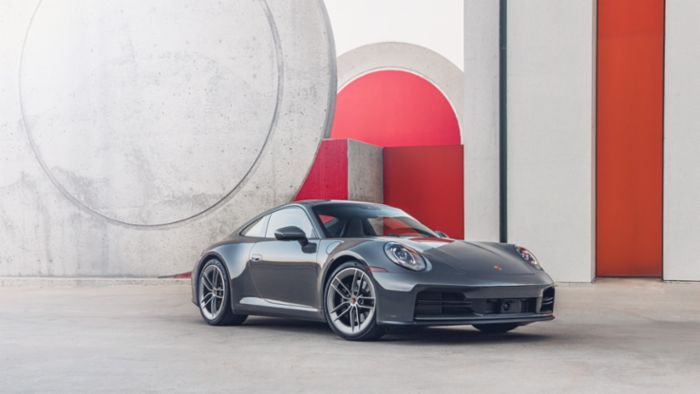
At similar money, the alternatives tell a different story: Aston Martin Vantage (restrained, beautiful, sounds extraordinary), Ferrari Roma (arguably the best-looking car made this decade), Porsche 911 Turbo S (faster than all of them, more competent, virtually invisible to non-enthusiasts). Same money, opposite signal. Know which one you're buying for.
Ferruccio Lamborghini founded the company in 1963 in Sant'Agata Bolognese, Italy — allegedly after Enzo Ferrari told him a tractor manufacturer shouldn't complain about how his cars drove. The brand was built to out-signal Ferrari at every specification. The wedge-shaped Countach in 1974 established the aesthetic DNA that the brand has never abandoned: more aggressive, more angular, more dramatic than anything from Maranello.
Lamborghini is now owned by Audi AG (and therefore Volkswagen Group), which brought platform-sharing and reliability improvements while maintaining the visual drama. The Urus shares a platform with the Audi Q7, Porsche Cayenne, and Bentley Bentayga. The Huracán and Revuelto use Lamborghini-specific platforms. All are genuinely fast and well-engineered — the reputation for unreliability that plagued older models has substantially improved under VW Group ownership.
If you're buying one: buy used and let the first owner absorb the steepest depreciation. Lamborghini CPO programs exist through dealers and offer limited warranty coverage. Find a specialist independent shop for maintenance — dealer labor rates on these cars are genuinely extreme.
Consider what you want the car to do. If it's weekend enjoyment and occasional attention, the Huracán is the pick — light, mid-engine, analog enough to be engaging. If you need daily practicality, the Urus is genuinely usable but carries more of the visual load. If you want the car that earns respect from people who know cars, the 911 Turbo S is the answer at slightly less money.